
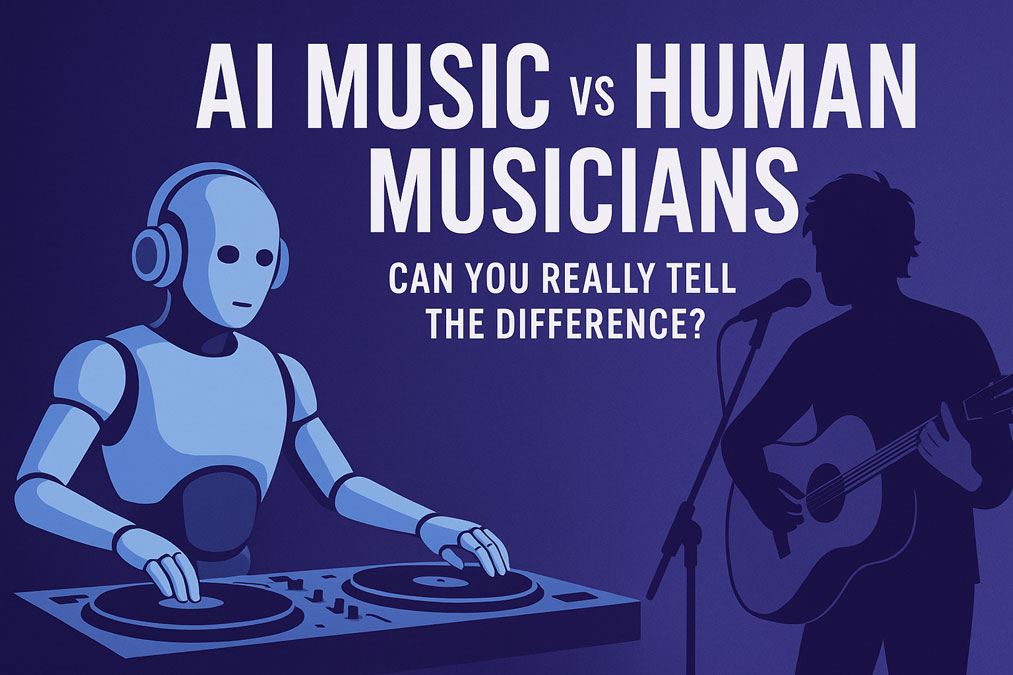
The rise of artificial intelligence in music has pushed the boundaries of what we once thought was possible. AI can now generate entire compositions—lyrics, melodies, instrumentals, and even emotionally charged performances—that are indistinguishable from those created by human musicians. As the technology evolves, the once-clear line between human and machine artistry is blurring. For some listeners, there’s little to no difference at all. In fact, in certain cases, AI music surpasses its human counterpart in polish, complexity, or innovation.
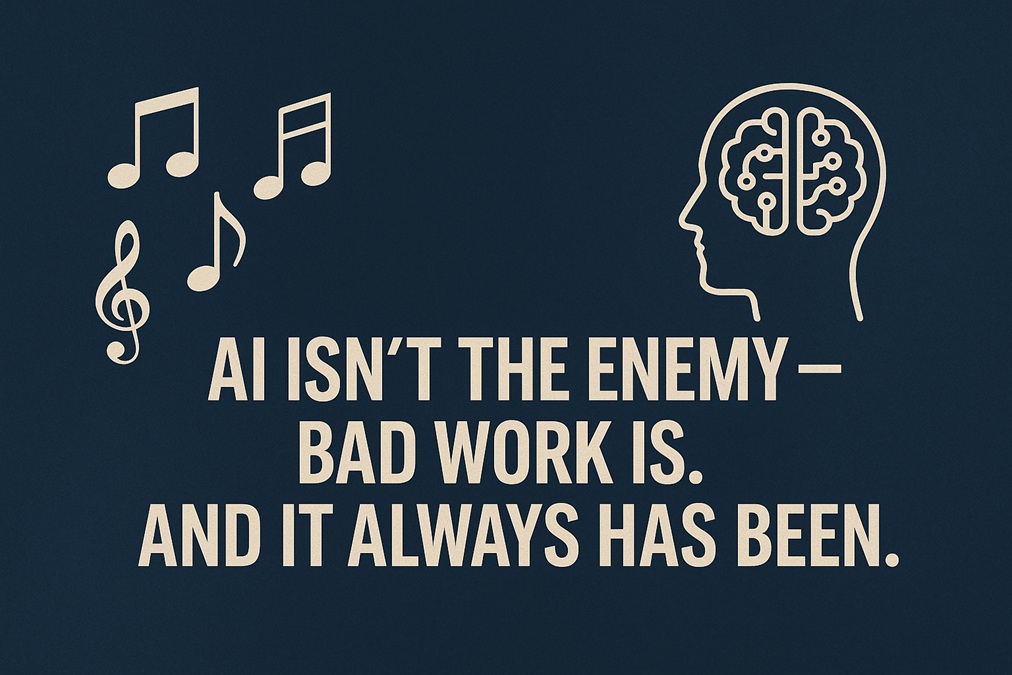
Yet, the debate rages on. Critics insist that AI can never truly match the depth of a human artist. They will champion side-by-side comparisons where the human performance feels “better,” claiming authenticity and emotion are irreplaceable. While that may be true in certain instances, it’s undeniable that AI has already produced works that resonate just as deeply—or more—than human-made music. At its core, music is about the experience it creates for the listener, not the mechanics behind its production.
A powerful real-world example is the case of The Velvet Sundown. This AI-driven band quickly gained attention with songs like Dust on the Wind. A human group, Sons of Legion, later covered the track, presenting it with live instruments and human energy. As expected, many listeners in the comments favored the human version, declaring it more authentic. But the truth is less straightforward. In some ways, the AI version had a crystalline quality that was difficult to replicate, while the human version offered warmth and flaws that made it feel alive. Which one is “better” depends not on the origin but on the ear and heart of the listener.
Similar debates appear elsewhere. When AI-generated covers of classic tracks like Bohemian Rhapsody or Smells Like Teen Spirit circulate online, listeners are quick to take sides. Some praise the technical fidelity of AI renditions, while others insist that only a human voice can truly carry the weight of those songs. Even in new music, AI-created pop ballads have been compared against rising indie singers, with some audiences admitting the machine-crafted track sounds more polished—while still preferring the human version because of its raw imperfections.
But herein lies the heart of the matter: the human connection. For centuries, music has been more than just sound—it has been tied to the people who create it. Audiences don’t just listen to songs; they follow the lives of musicians, their stories, their struggles, their triumphs, and even their flaws. We want to see, hear, and feel the human behind the art. The imperfections in a performance, the rawness of a live show, the drama of an artist’s journey—all of these create an emotional bond that no algorithm can replicate.
AI music may be flawless, but it is also faceless. It can mimic emotion, but it does not live it. It cannot experience heartbreak, joy, or loss—it can only simulate the patterns of expression we associate with those feelings. That simulation may be convincing, even moving, but it lacks the underlying human story that gives art its enduring power.
Meanwhile, the landscape of music has shifted. With AI and countless human artists flooding streaming platforms, music has become commoditized. The gatekeepers of old no longer control what reaches the public. Today, anyone—from a bedroom songwriter to an AI system—can release tracks into the world. This democratization has created both opportunity and chaos, leaving even once-famous artists scrambling for attention in an oversaturated market.
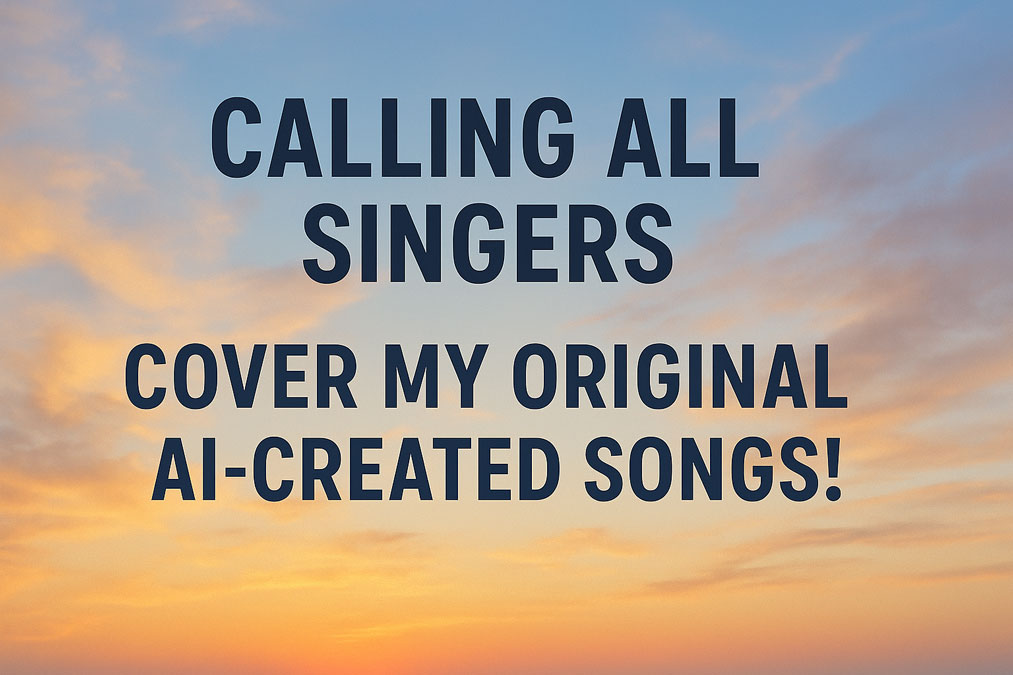
In this new reality, AI music proves that technical perfection and emotional resonance can be engineered. But what keeps humans essential is the desire for connection, for presence, for life behind the sound. We don’t just want to hear a song—we want to feel the humanity behind it. And so, even as AI reaches new heights, there will always be a place for human musicians. If nothing else, they will be the ones who give voice, face, and flesh to the songs—whether they write them themselves, reinterpret classics, or even perform covers of AI compositions.
Ultimately, the future of music may not be AI versus human, but AI with human. Machines can expand possibilities, create new sounds, and break creative limits. But it will be human artists who embody the stories, the struggles, and the spirit that listeners long to connect with. In the end, that spark of life—the good, the bad, and the flawed—remains the one thing technology cannot duplicate.